Insured Transport
Insured under federal cargo liability requirements. Coverage is part of the quote, not an add-on.

California shipments typically run $1,000 to $2,600 for open transport and take 3 to 8 days, depending on origin and destination.


Shipping a car to or from California typically takes 3 to 8 days and costs $1,000 to $2,600 for open transport.
Reference pricing for common California corridors. Your specific quote depends on origin city, destination city, vehicle type, and season.
Updated October 2026| Corridor | Distance | Transit | Typical |
|---|---|---|---|
| California to Texas | 1,450 to 1,950 mi | 3 to 6 days | $1,000 to $1,850 |
| California to Illinois | 2,000 to 2,150 mi | 4 to 7 days | $1,150 to $2,000 |
| California to Florida | 2,400 to 3,000 mi | 4 to 8 days | $1,400 to $2,250 |
| California to New York | 2,550 to 2,950 mi | 5 to 8 days | $1,650 to $2,600 |
| California to Massachusetts | 2,950 to 3,000 mi | 5 to 8 days | $1,850 to $2,450 |
Quotes well below the typical range are almost always bait-and-switch. You are quoted a low price to pay the deposit, and then the price is bumped at the last minute.
Insured under federal cargo liability requirements. Coverage is part of the quote, not an add-on.
Your quote is locked for 28 days. Cancel free up to 7 days before pickup.
Most shipments run door to door. If access is tight (narrow streets, low clearance), we will arrange a nearby meeting point.
One percent of every booking funds Clean Air Task Force, a nonprofit working on transport and energy emissions.
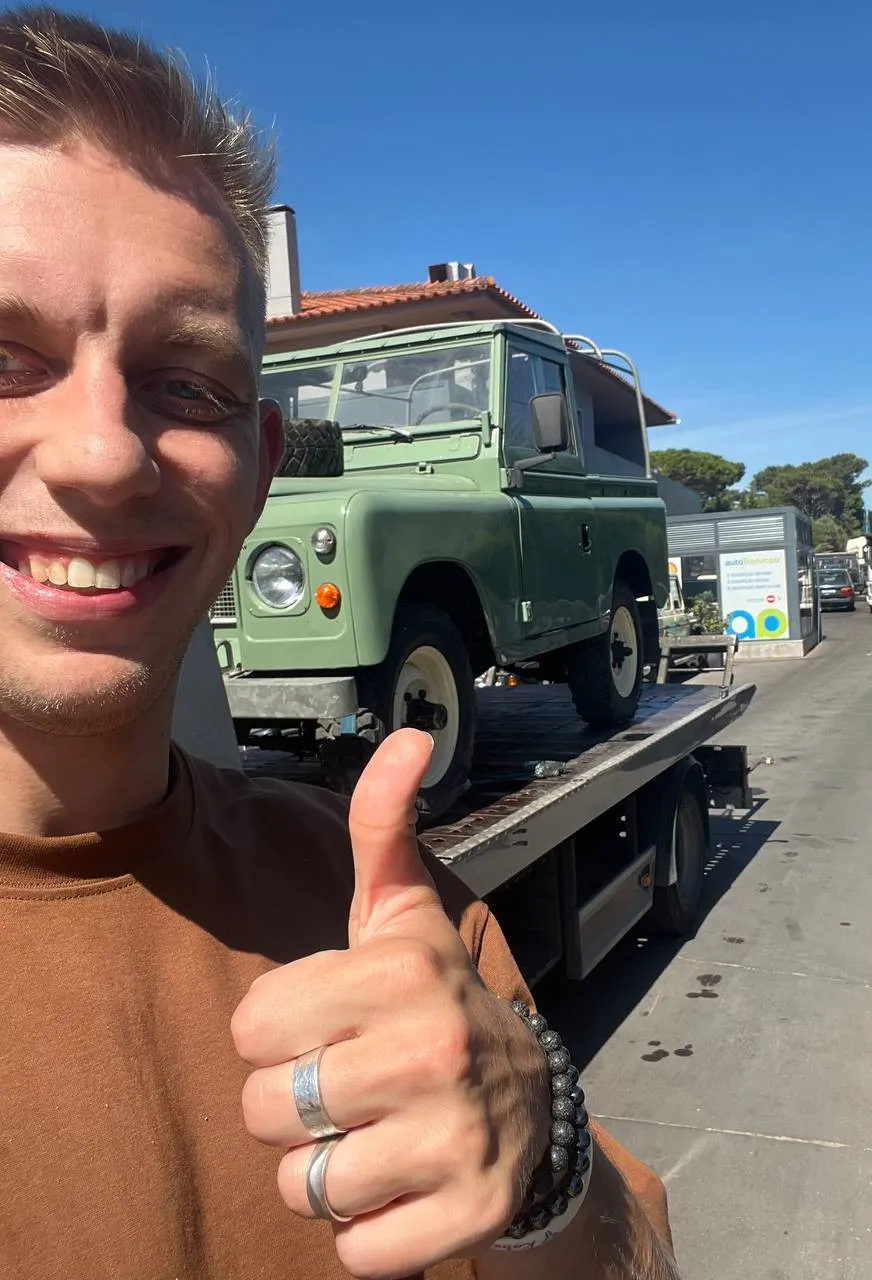
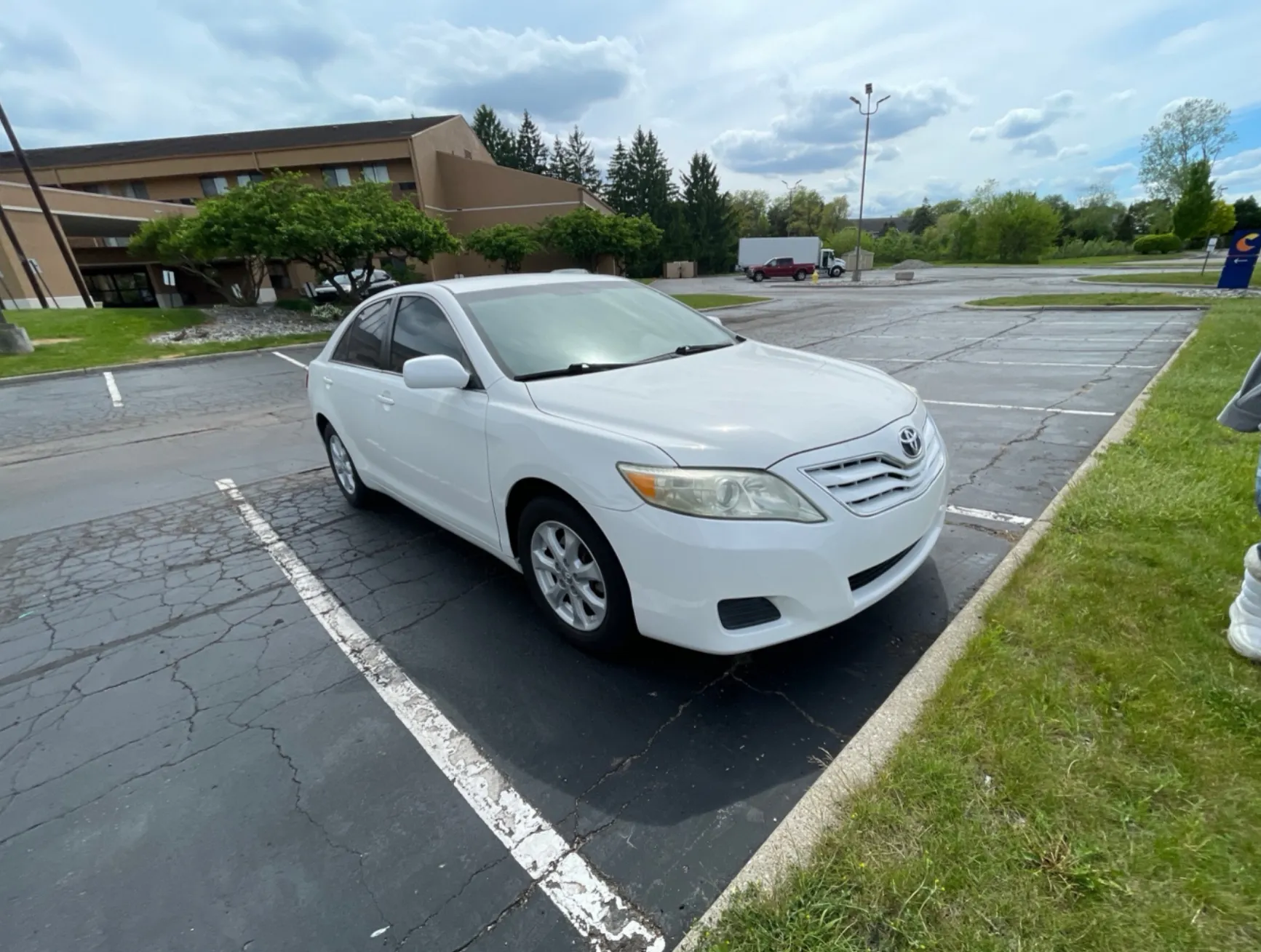
Professional service and reasonable price considering they had to winch my car on the trailer.
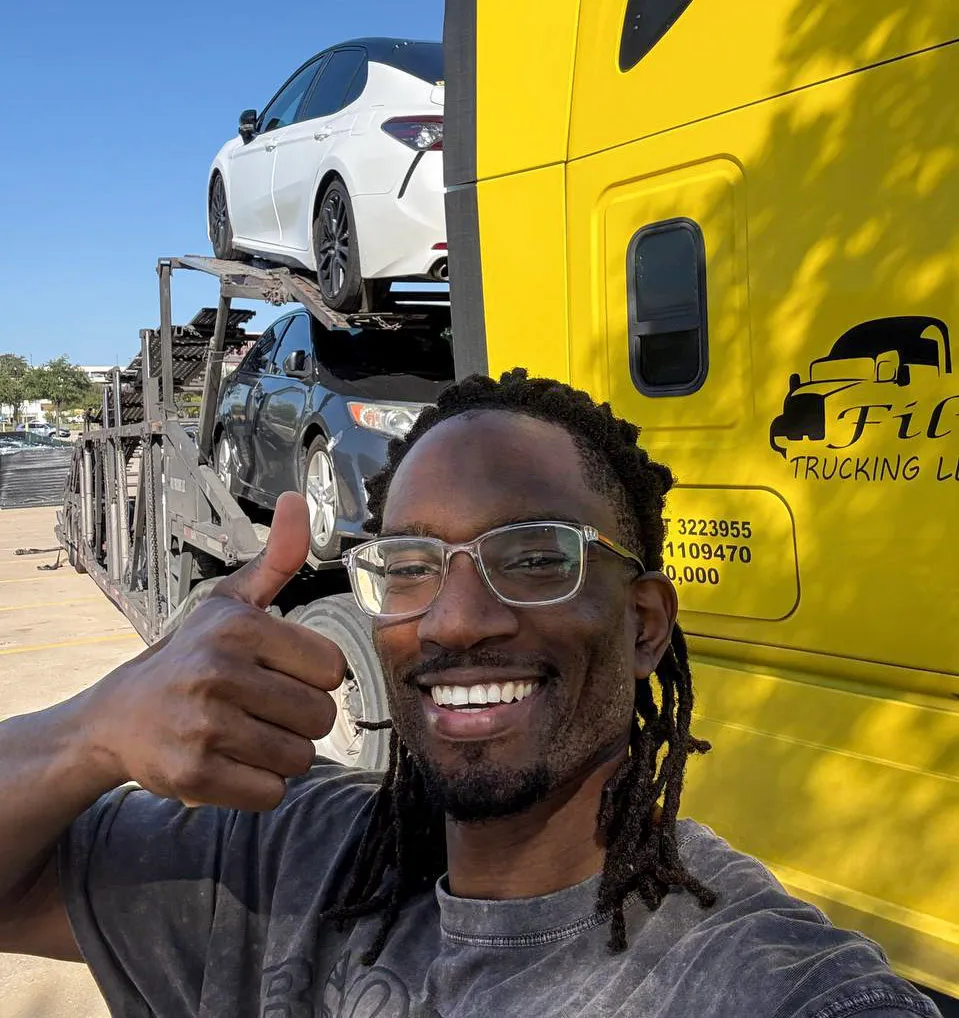
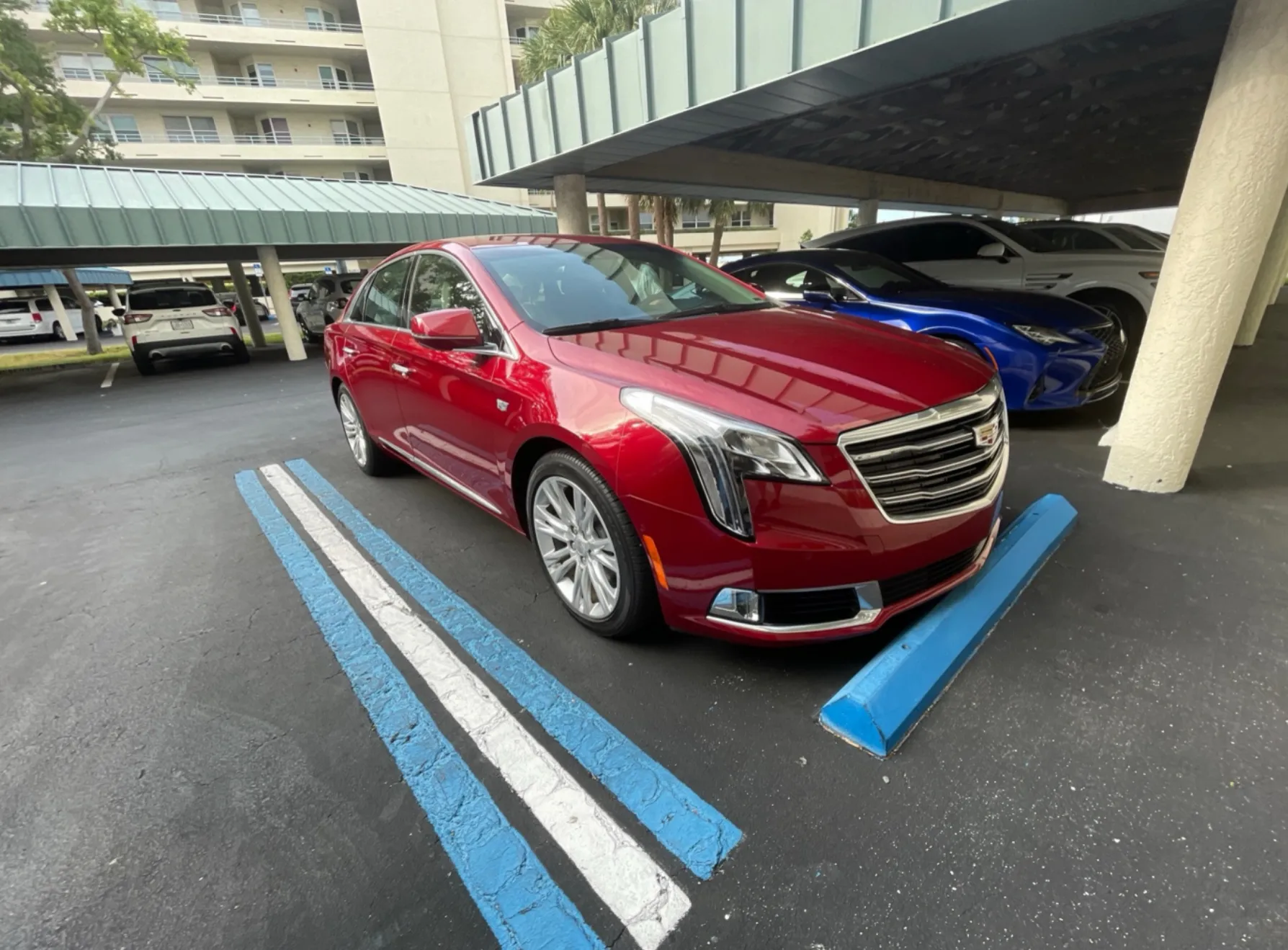
I'm really happy with the service!!! Fili is a really nice person and a professional.
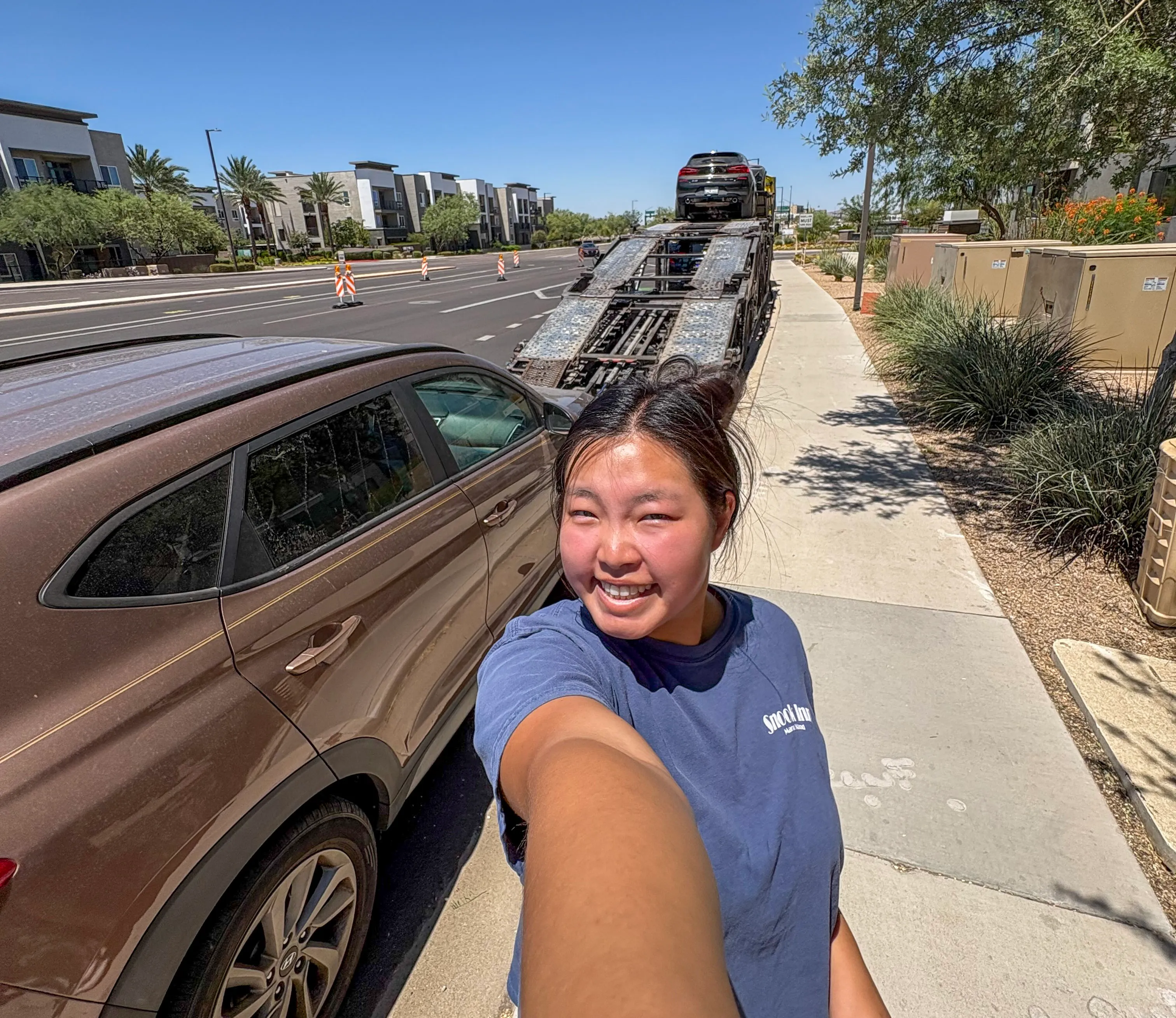
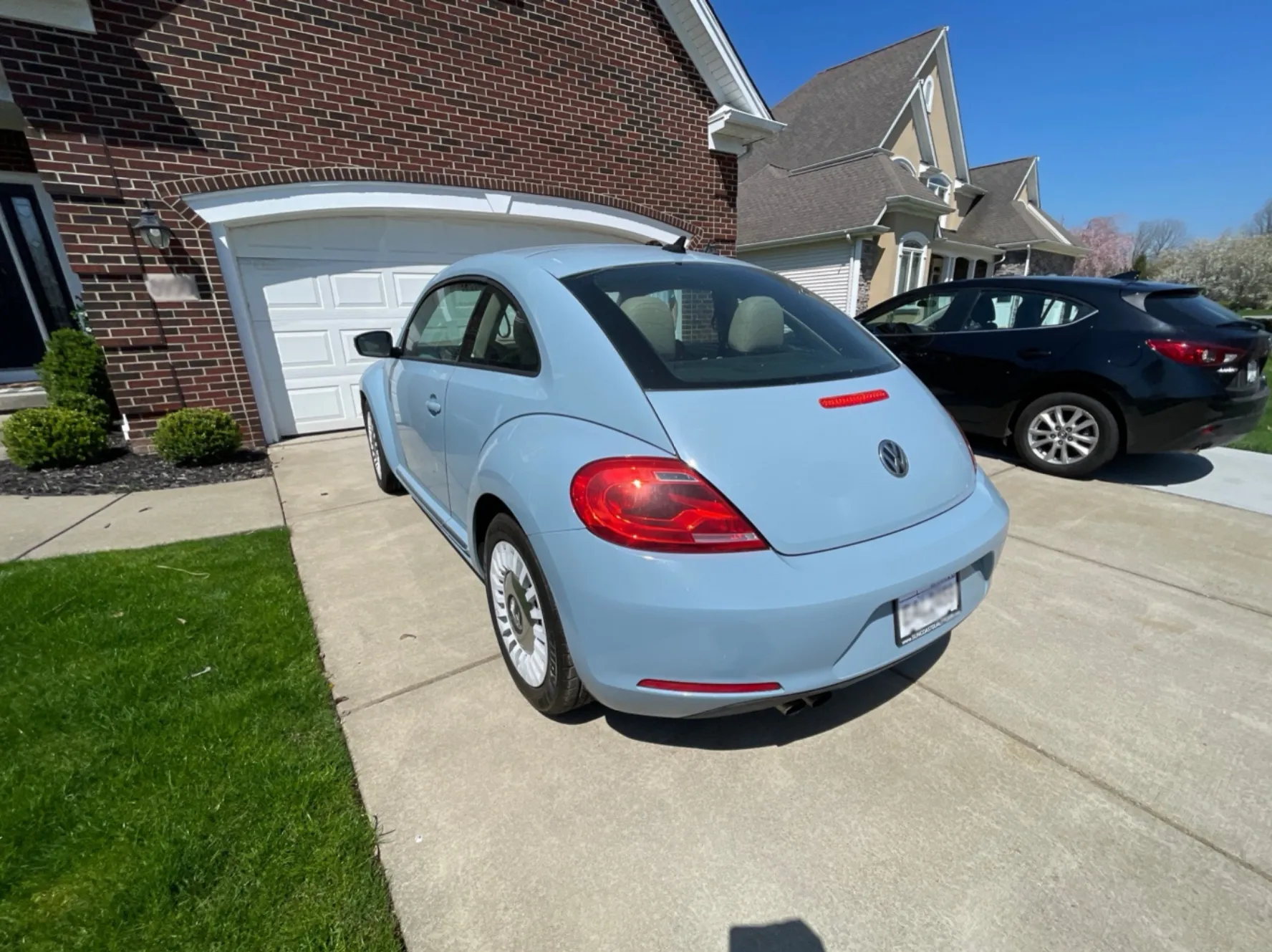
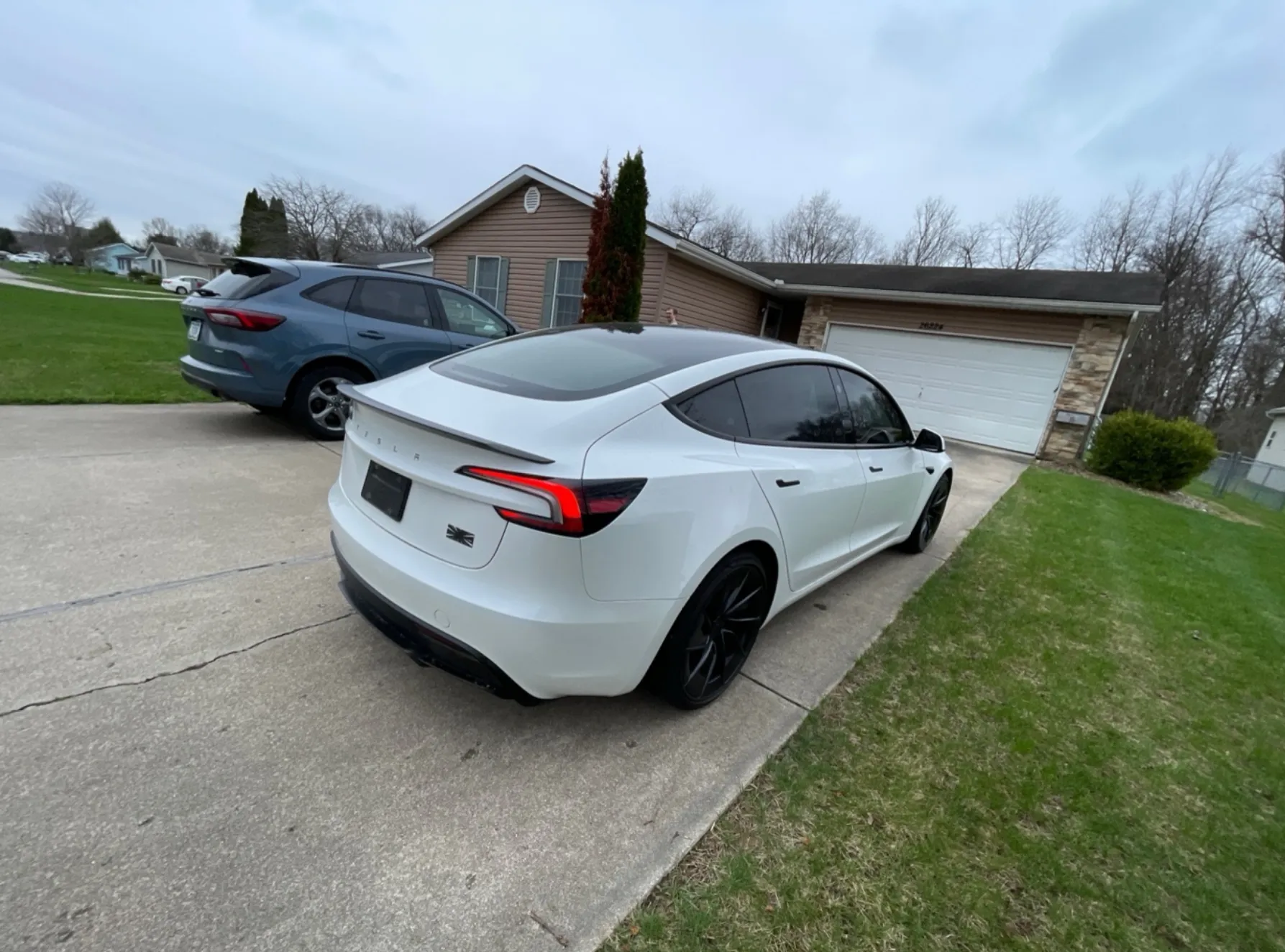
It is a really professional company, and the service was great, and we also really value the environmental contributions they are doing. Thank you guys!! Will move my car again with you ❤️
.O1a0LCh8_1TgCAp.webp)
.BCBIJAen_ZbL0rP.webp)
.DToGaxuS_2h6UD8.webp)
.DV7dI2sG_KTQPG.webp)
.DLyL1g5U_ZCia4H.webp)
.CJ786qTl_ZfH9VB.webp)
.DYsVKq0W_ZHOnca.webp)
.D96_jjeg_ZofPe0.webp)
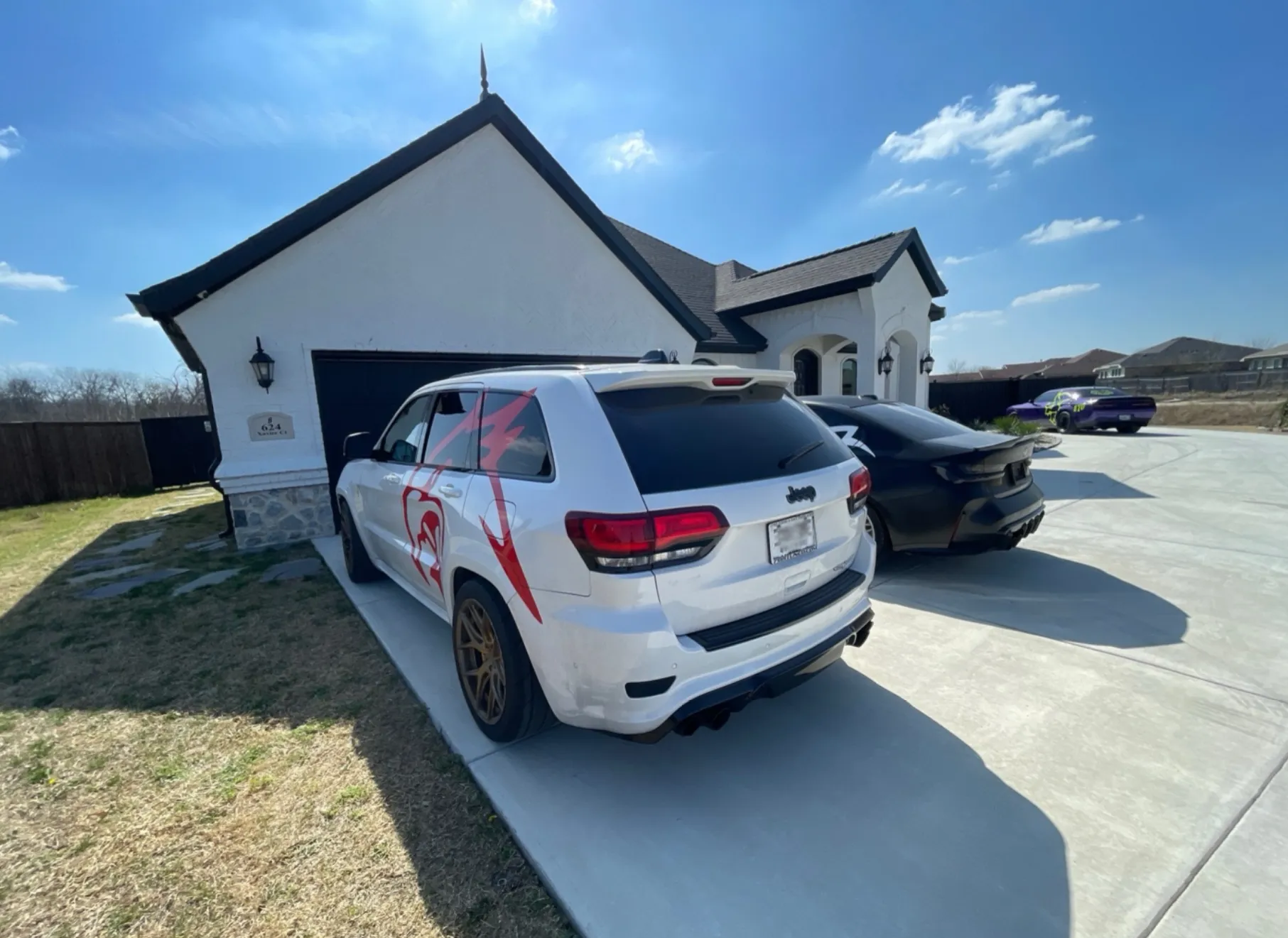
.ComJTPxM_9zjeq.webp)
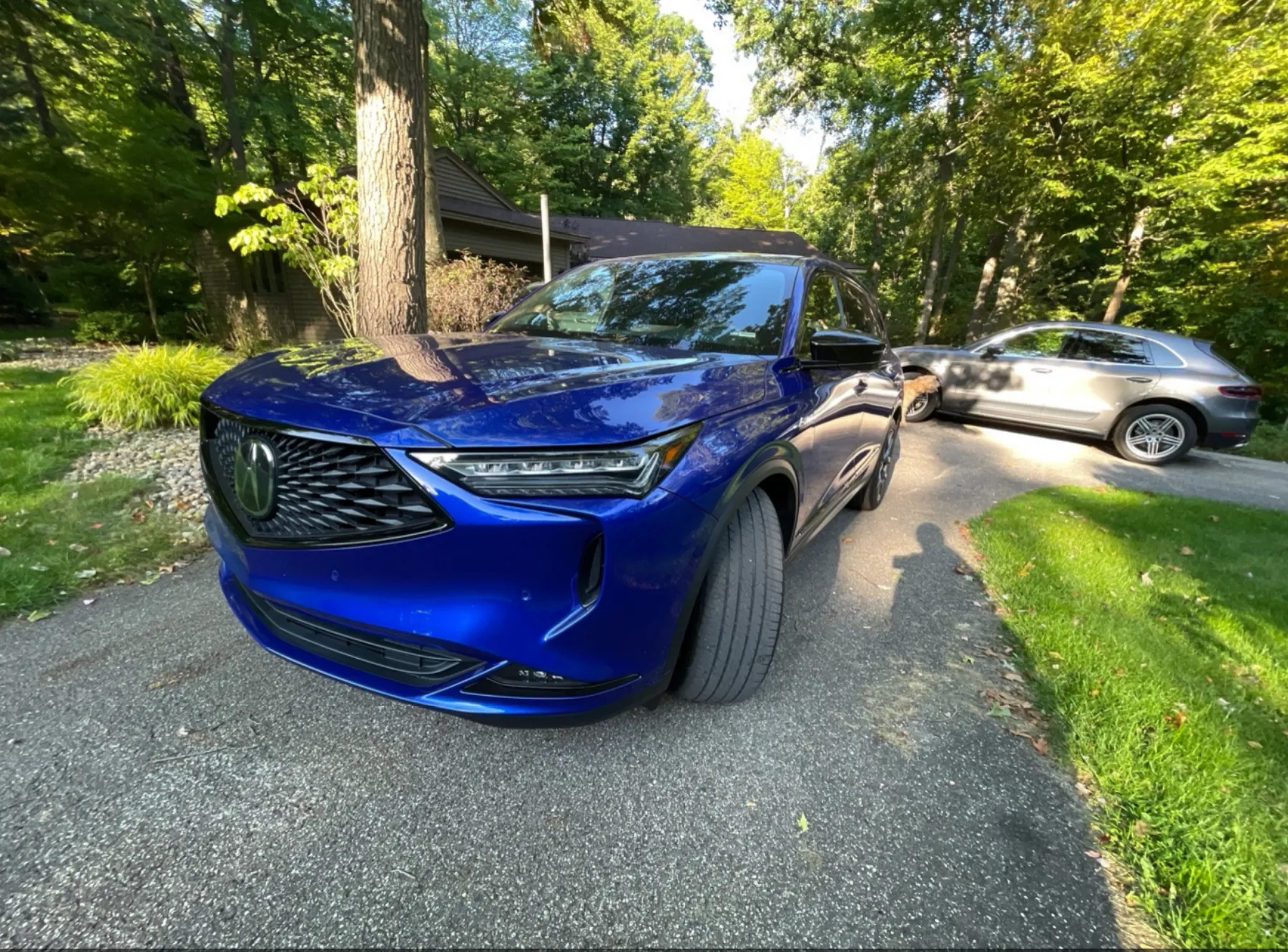
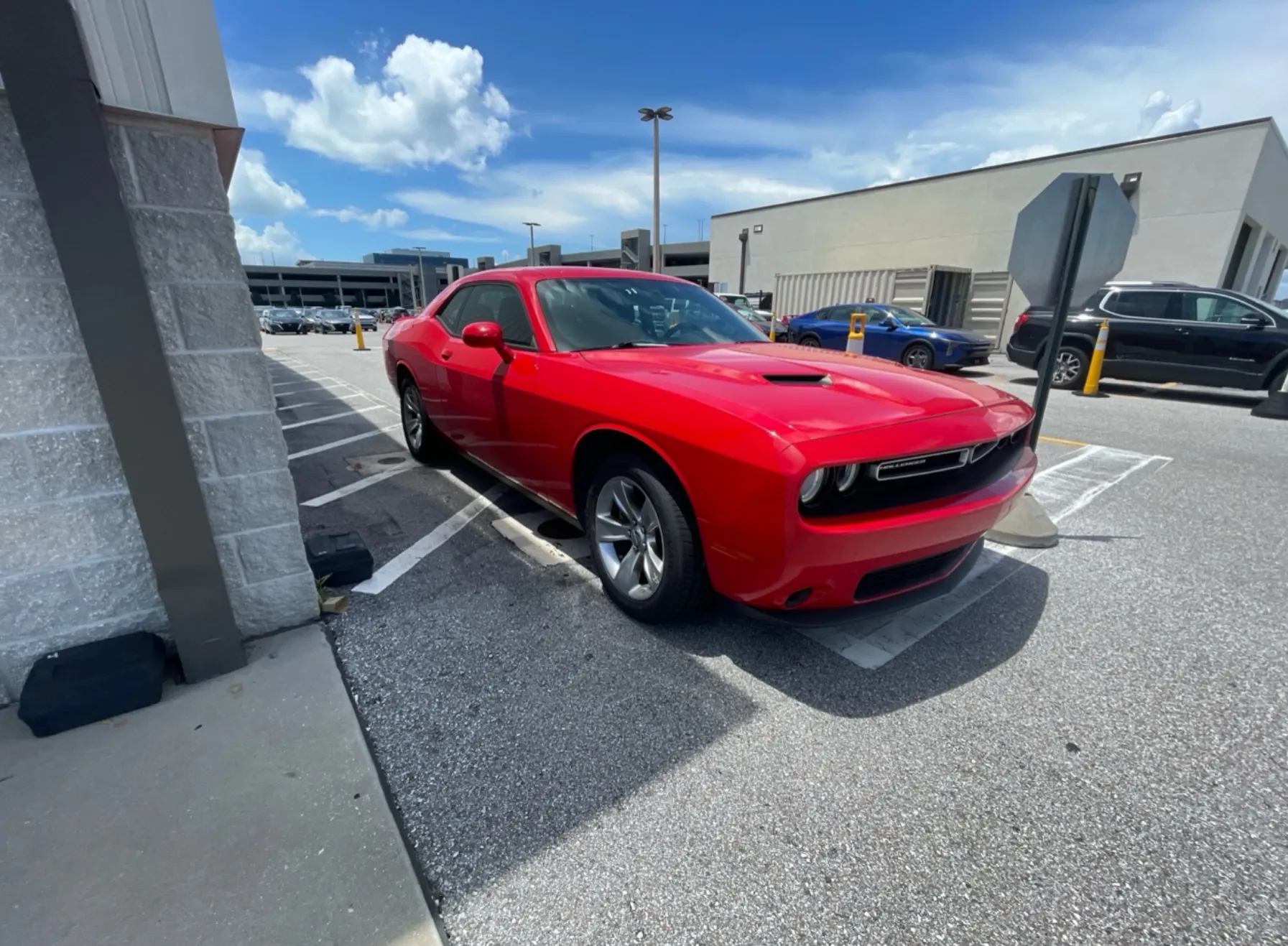
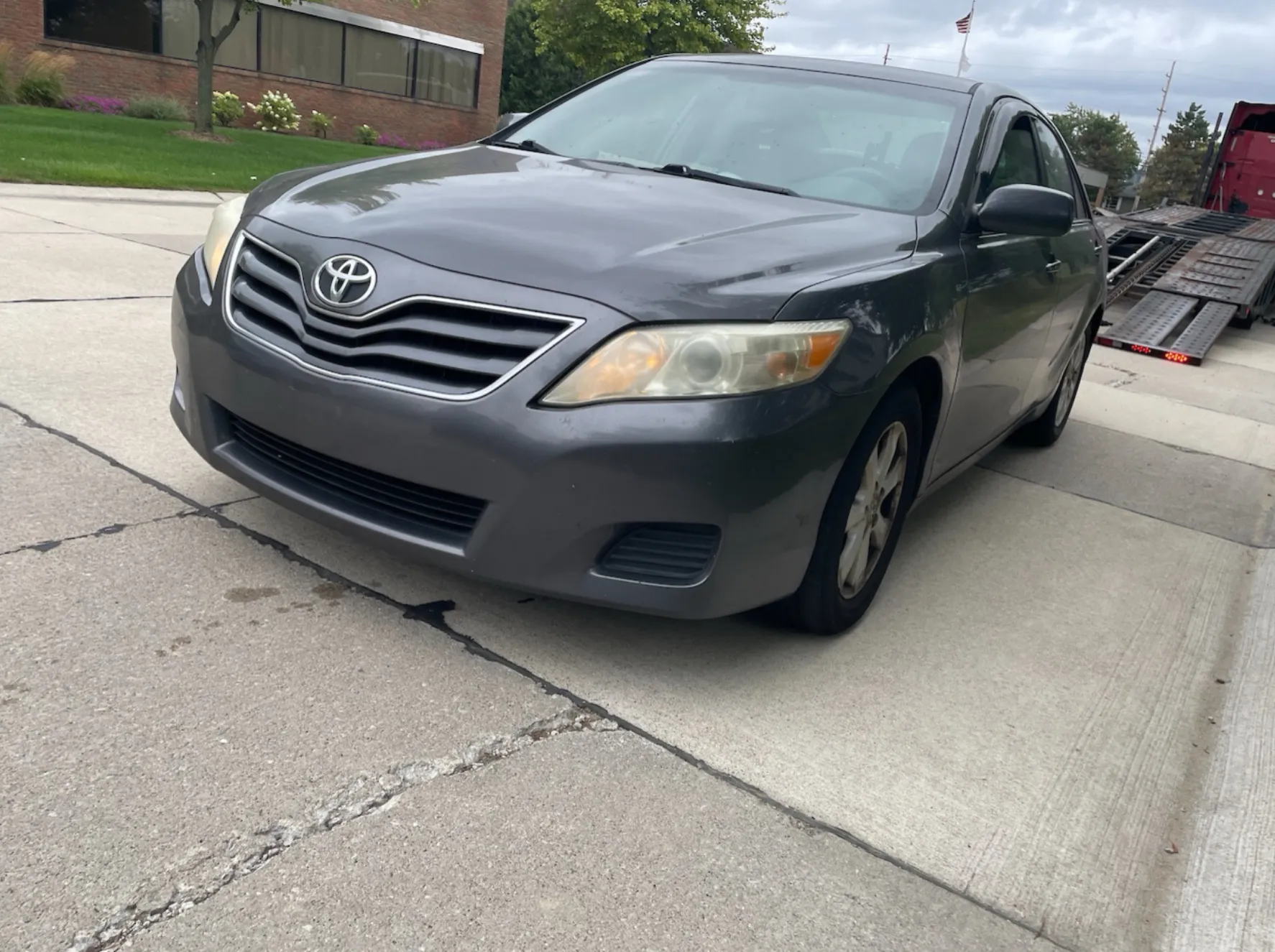
Locked for 28 days. Nothing charged at booking.
A car leaving California needs nothing from the DMV before it goes, since it travels on its California plates and the owner only has to report a change of address. The paperwork sits at the other end. A car coming in can’t be registered until someone has checked it in person, so those steps start once the truck has delivered it, and one kind of car, bought nearly new in another state by someone who already lives in California, can’t be registered at all unless it was built for California.
Only if it was built to California’s emissions standard. When a California resident buys a car out of state with fewer than 7,500 miles on it, the DMV treats it as new, even if another state has already registered it, and a new car has to be certified for sale in California. Many manufacturers build cars for the other 49 states only, and the DMV can’t register those. So before paying for a car like that, and before booking its truck, we’d look at the emissions label under the hood, which on a California car says it conforms to California regulations or is legal for sale there. The rule is written for residents, so someone moving to California can still bring a 49-state car they first registered at home.
Reviewed by Andrey Zhe, Sequoia founder.
If the move makes you a California resident, these are the state's rules for the car.
Checked September 2026 against California DMV, California Department of Tax and Fee Administration. Rules change; the state's own site has the final word.
One percent of every booking goes to Clean Air Task Force, a nonprofit working on policy and technology to clean up transport and energy emissions.

Our giving is independently verified each year.
Shipping a car to or from California typically runs $1,000 to $2,600 for open transport, depending on the corridor and vehicle. Texas lanes run $1,000 to $1,850. The longer runs to Illinois, Florida, New York and Massachusetts cost $1,150 to $2,600, and most of that is distance. Enclosed transport costs about 40 to 70% more, rising with distance. Your quote is locked for 28 days from the moment you book.
Most California shipments take 3 to 8 days door to door. Texas corridors run 3 to 6 days, Midwest lanes like Illinois take 4 to 7, and coast-to-coast runs to Florida or New York take 4 to 8. Where a given shipment lands inside its range comes down to the truck: the low end when a carrier already has a load moving your direction and both ends sit near the main interstate, the high end when the driver is consolidating and making stops along I-10 or I-80.
Winter weather affects the California shipments that cross the Sierra on I-80 or deliver around Truckee and Tahoe. I-80 goes over Donner Summit at about 7,000 feet, and once chain controls go up there, trucks have to chain while cars on snow tires keep moving. In heavier storms Caltrans closes the road altogether, as it did twice in one week in February 2026, and trucks can be held for a while after cars are let through. A shipment caught behind a closure waits until the road reopens, so its date moves with the storm.
If the move makes you a California resident, yes, within 20 days of becoming a resident or starting a job in California. The DMV won't register the car until someone has checked it in person, which a DMV employee, a police officer or a licensed vehicle verifier can do, and most cars need a California smog certificate as well. So the registration can only be finished once the car has been delivered.
If you find damage at delivery, note it on the bill of lading before signing. We will manage the claim with the carrier from there.
Every shipment is insured by the carrier under federal cargo liability requirements.
Nothing is charged at booking. The deposit is charged 7 days before your pickup window opens, and the remaining balance is paid to the driver at delivery.
Open transport is the standard choice for most vehicles. Enclosed transport costs 40 to 70% more and is appropriate for high-value vehicles, classics, low-clearance sports cars, and any car where weather exposure or road debris is a real concern.
Yes. Every toll, bridge and congestion charge the truck pays on the way is already in your quote, and nothing is added for them after you book.
Locked for 28 days. Nothing charged at booking.