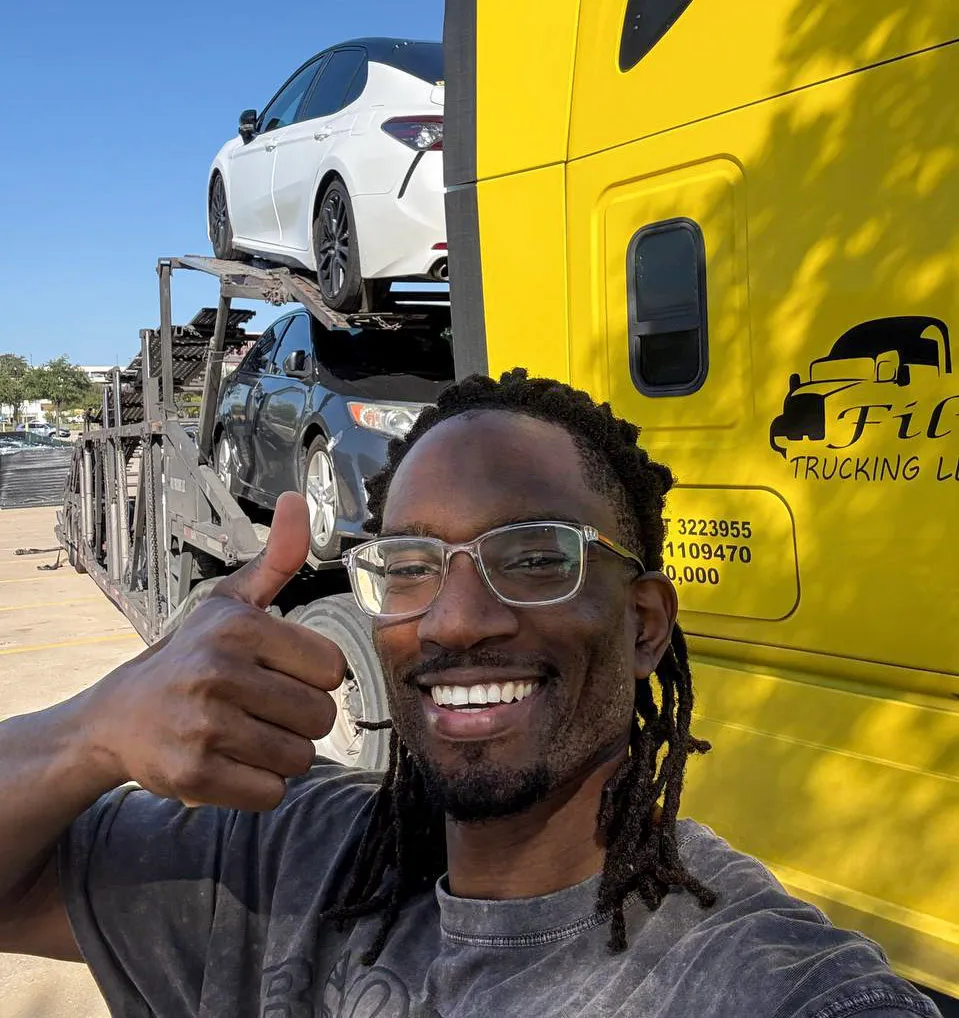
I'm really happy with the service!!! Fili is a really nice person and a professional.
James Toyota Camry TRD | AZ → MN
Enter your route and vehicle. We will show you the price. No email required, no follow-up calls.


The average cost to ship a car is around $1,100 for open transport and $1,650 for enclosed. Most shipments fall between $800 and $1,800, with distance as the biggest single factor.
Distance is what moves that number most. Shipping a car to another state starts near the bottom of that range on a short move, while cross-country car shipping sits at the top.
The reason is per-mile math. A 75-foot multi-car hauler costs a carrier about the same to run each day whatever the trip length, so a short move spreads that fixed cost over a few hundred miles and a cross-country move spreads it over thousands. Short runs cost more per mile, long runs less. The tables below show how that plays out by distance.
Use the calculator above for a real number on your specific shipment.
Six things move the number up or down. Distance is the biggest; the rest fine-tune.
The biggest single factor. Per-mile cost drops as distance grows. A short hop runs roughly $1.50 per mile, while coast-to-coast averages closer to $0.60 per mile. Total cost still rises with distance, just less than proportionally.
Bigger vehicles take more space on the carrier and cost more to ship. A sedan is the baseline; a compact SUV adds about 10%, a mid-size SUV adds 20%, a pickup adds 30 to 40%. Lifted or oversized vehicles can add more.
Open transport is the standard for most cars and runs the lowest price. Enclosed transport runs 40 to 70% more and is used for classics, collectors, low-clearance sports cars, and luxury vehicles where weather and debris exposure matter.
Florida and Arizona routes spike during snowbird season, both going south in fall and coming back north in spring. Late summer is peak for general relocations. The cheapest months tend to be January and February (post-holidays) and late October through November.
Major interstate corridors cost less per mile than rural routes. Carriers run popular lanes more often, so supply meets demand and prices stay competitive. Rural pickups and deliveries can add a few hundred dollars because the driver has to detour off the main route.
Inoperable vehicles cost more to ship because loading takes extra equipment, usually a winch. Plan for roughly $150 to $300 on top, depending on the car's condition. It still needs to roll, steer, and brake for positioning; a complete non-roller is harder to place and costs more.
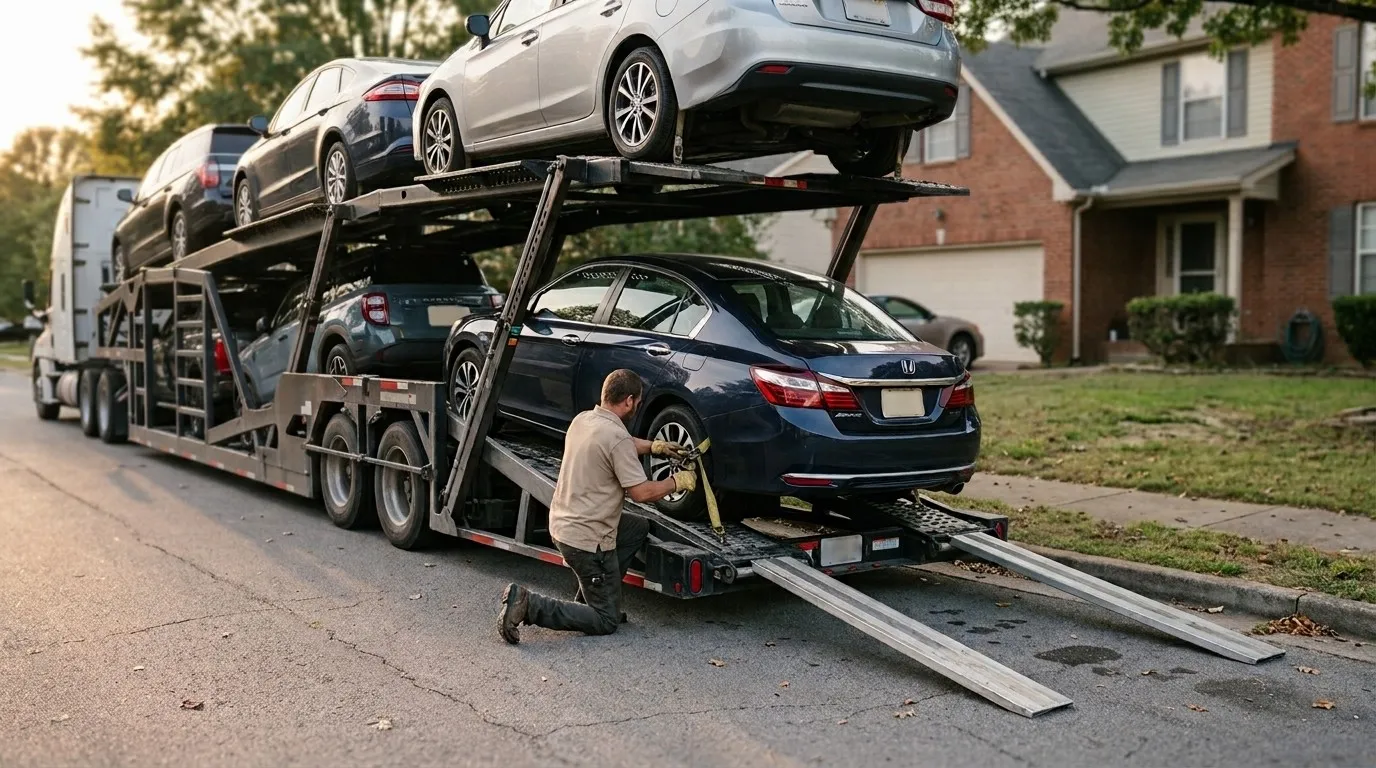
Enclosed transport runs 40 to 70% more than open. The math on a typical $1,000 shipment looks like this.
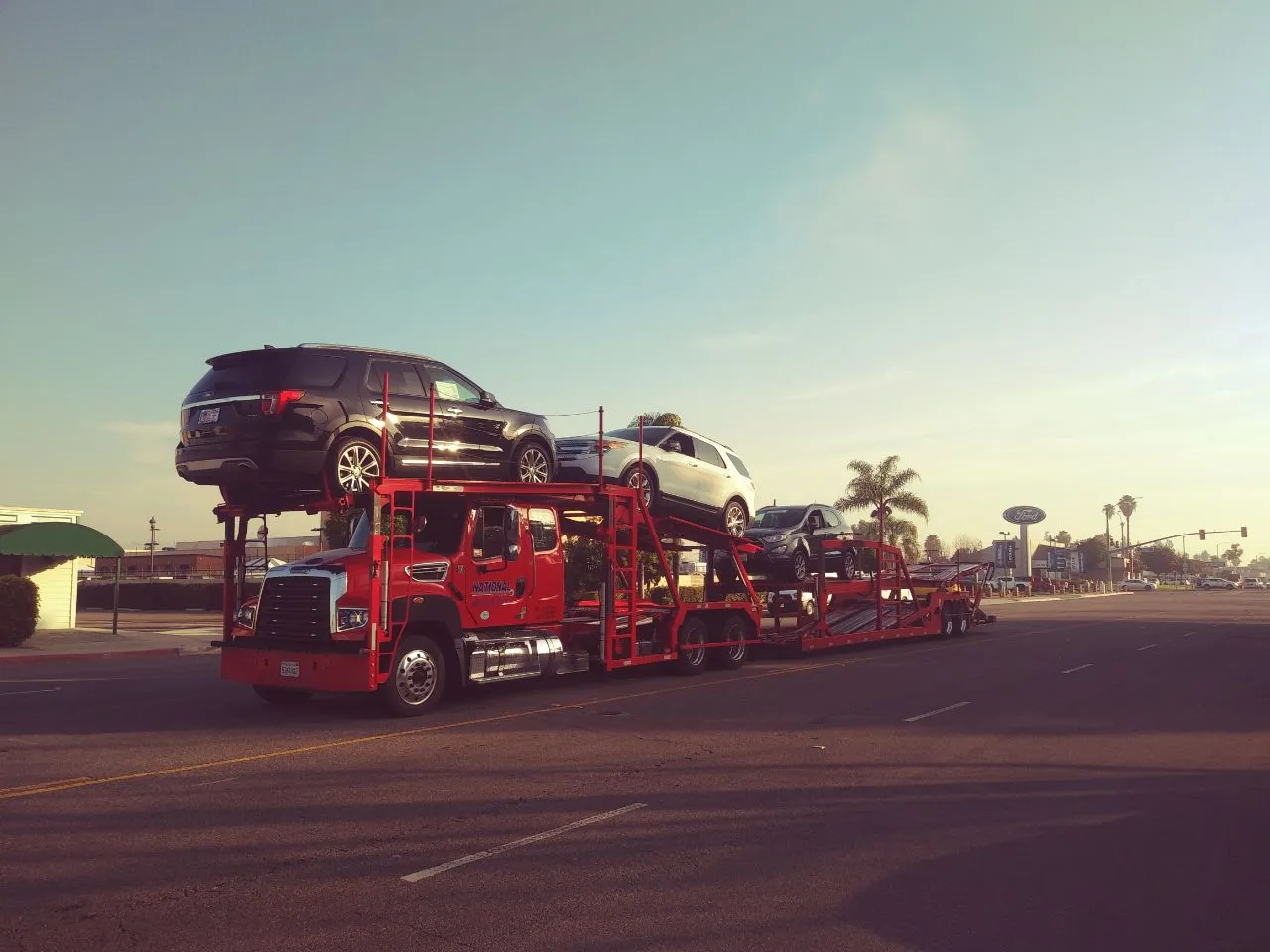
$1,000
Standard multi-car trailer. Your car rides exposed to the weather alongside up to nine other vehicles. The default choice for most cars.
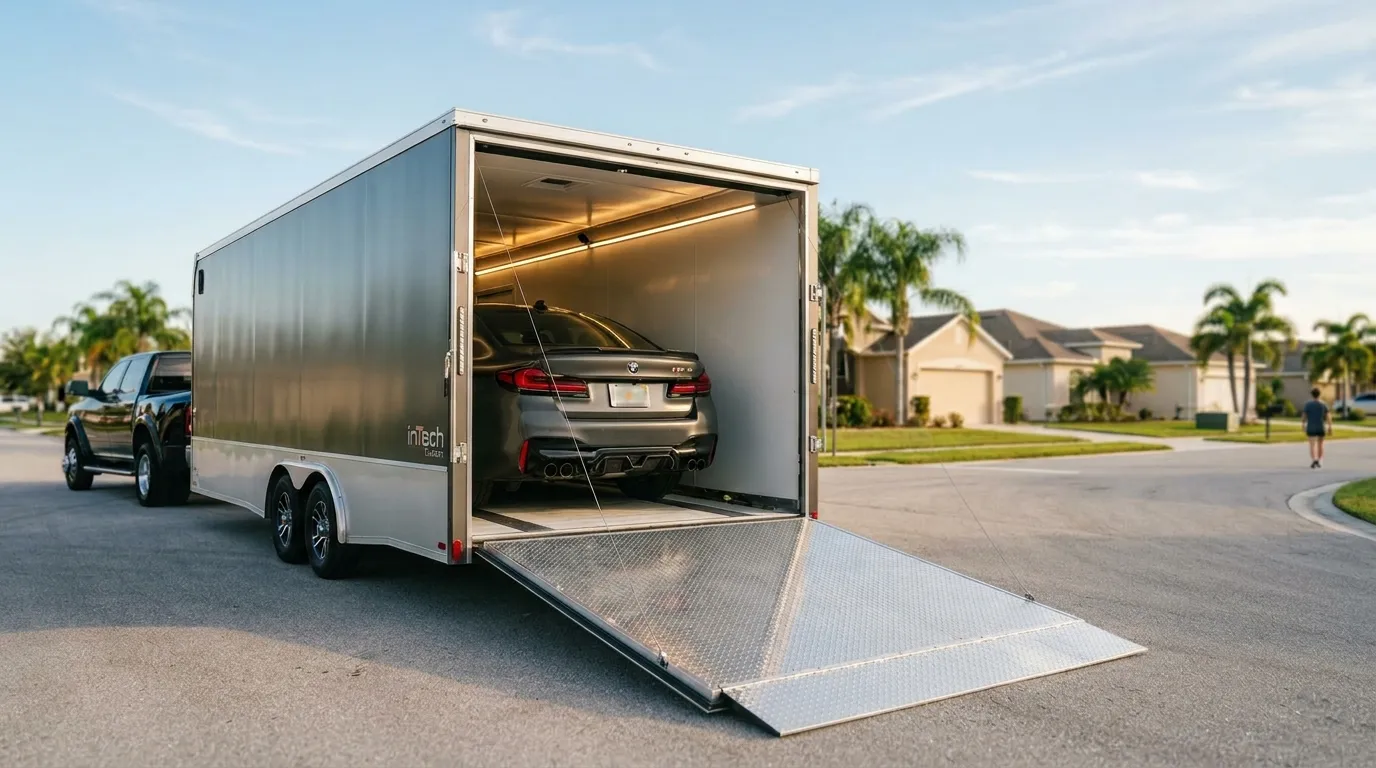
$1,300 to $1,450
Covered trailer. Protects against weather and road debris. Used for classics, collectors, low-clearance sports cars, and luxury vehicles.
The premium covers a different kind of trailer, a more selective driver pool, and usually higher insurance limits, since enclosed carriers haul higher-value vehicles.
I'm really happy with the service!!! Fili is a really nice person and a professional.
It is a really professional company, and the service was great, and we also really value the environmental contributions they are doing. Thank you guys!! Will move my car again with you ❤️

Really nice company, the whole process was fast and easy peasy.
.O1a0LCh8_1TgCAp.webp)
.BCBIJAen_ZbL0rP.webp)
.DToGaxuS_2h6UD8.webp)
.DV7dI2sG_KTQPG.webp)
.DLyL1g5U_ZCia4H.webp)
.CJ786qTl_ZfH9VB.webp)
.DYsVKq0W_ZHOnca.webp)
.D96_jjeg_ZofPe0.webp)
.ComJTPxM_9zjeq.webp)
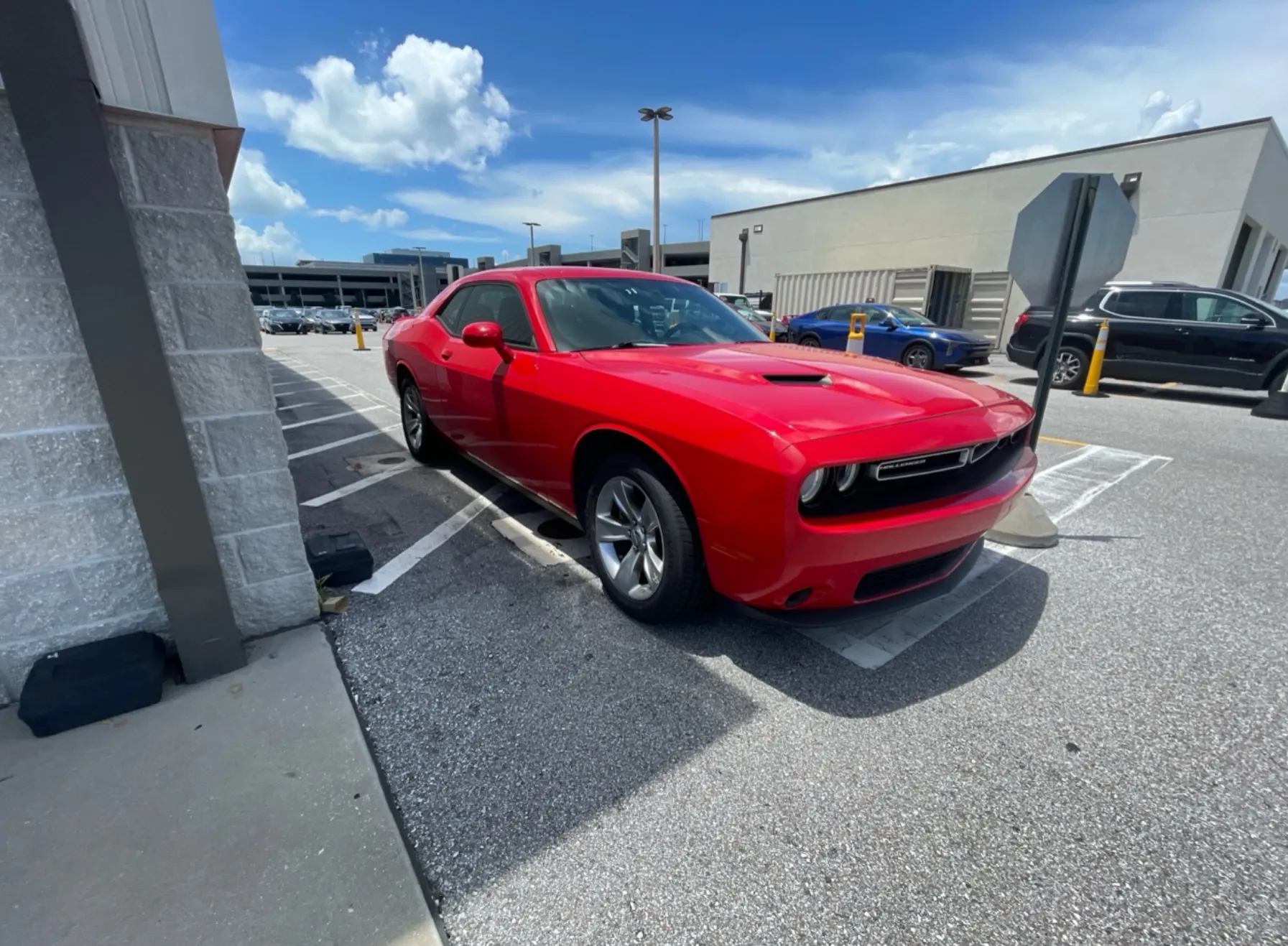
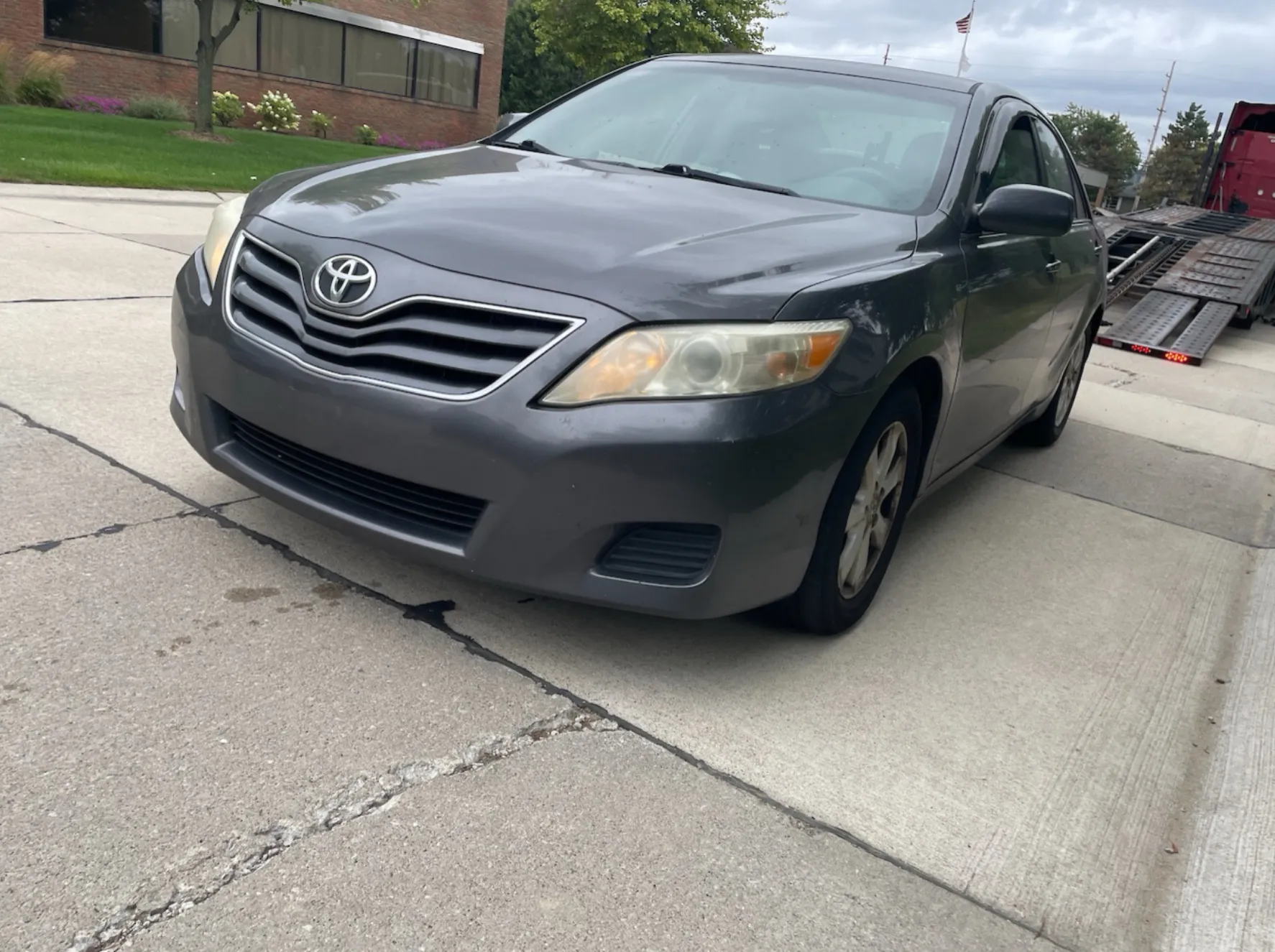
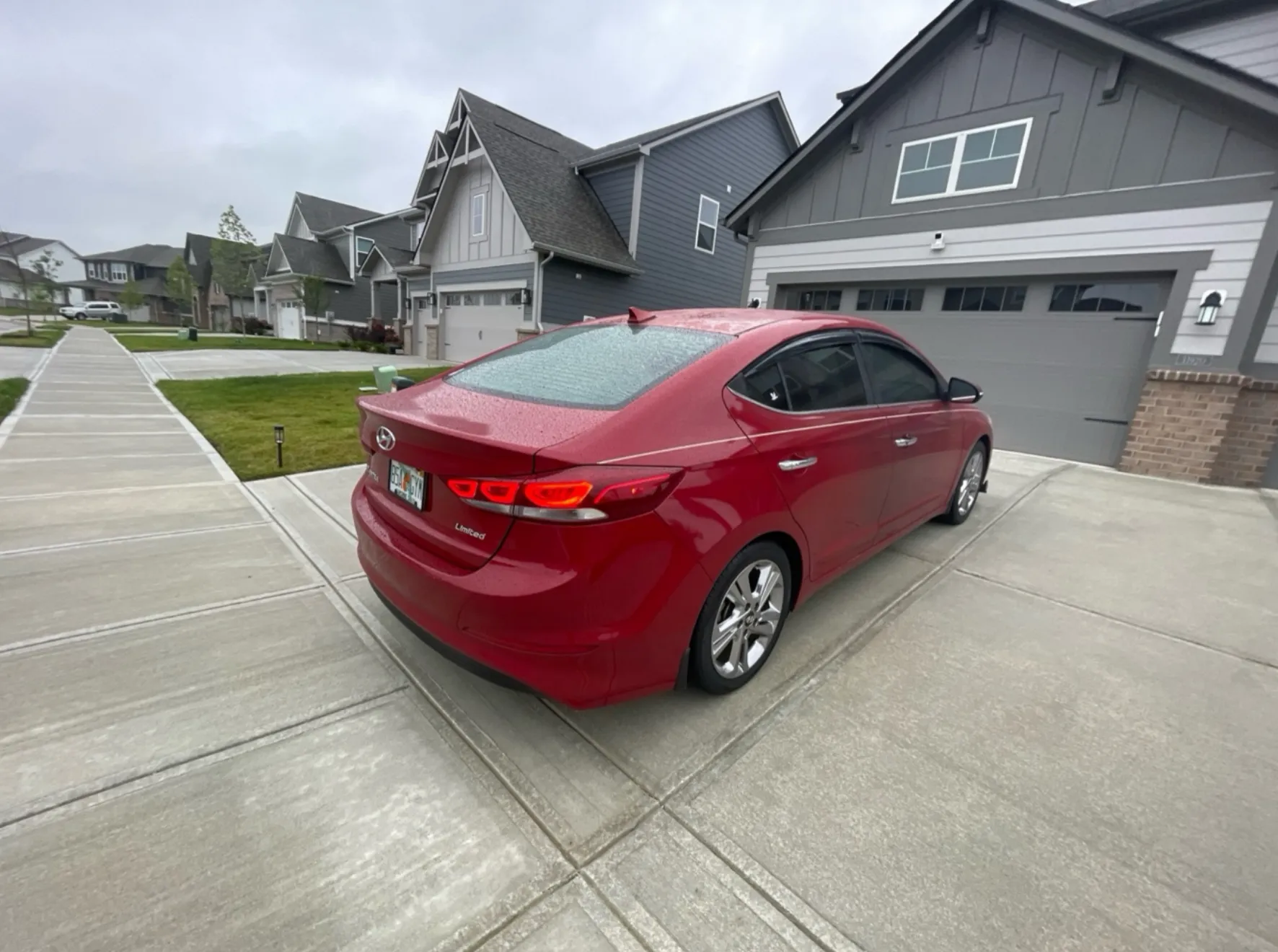
Locked for 28 days. Nothing charged at booking.
Most shipments fall within these ranges. Distance is the biggest single factor; the carrier type adds 40 to 70% for enclosed, and the premium grows with distance.
| Distance | Open | Enclosed |
|---|---|---|
| Under 500 miles | $450 to $1,100 | $650 to $1,550 |
| 500 to 1,500 miles | $750 to $1,450 | $1,100 to $2,100 |
| 1,500 to 2,500 miles | $1,150 to $1,850 | $1,950 to $3,150 |
| Coast to coast | $1,600 to $2,200 | $2,700 to $3,750 |
Larger vehicles take more space on the trailer, so they cost more to ship. Numbers below are for open transport.
| Vehicle | Under 500 mi | 500 to 1,500 mi | 1,500 to 2,500 mi | Coast to coast |
|---|---|---|---|---|
| Sedan | $500 to $700 | $800 to $1,200 | $1,000 to $1,500 | $1,200 to $1,700 |
| Compact SUV | $550 to $800 | $900 to $1,300 | $1,150 to $1,650 | $1,350 to $1,850 |
| Mid-size SUV | $650 to $900 | $1,000 to $1,400 | $1,300 to $1,800 | $1,500 to $2,000 |
| Pickup truck | $750 to $1,000 | $1,150 to $1,550 | $1,450 to $1,950 | $1,700 to $2,250 |
Add 40 to 70% for enclosed transport; the premium grows with distance.
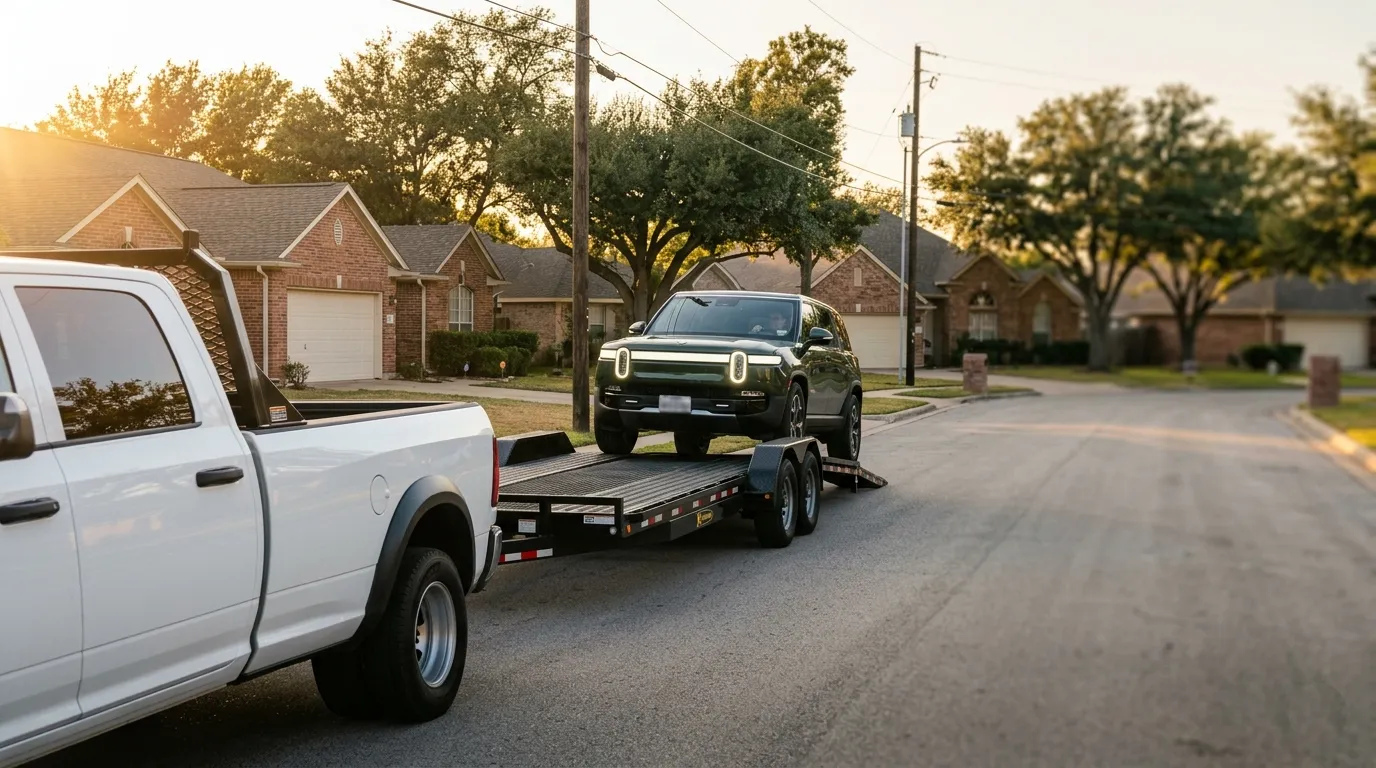
Real numbers for the routes we ship most. Open transport, typical retail range.
| Route | Distance | Open | Enclosed |
|---|---|---|---|
| Los Angeles to New York | 2,800 mi | $1,750 to $2,050 | $3,000 to $3,500 |
| New York to Miami | 1,300 mi | $1,050 to $1,300 | $1,500 to $1,900 |
| Los Angeles to Miami | 2,738 mi | $1,400 to $1,600 | $2,350 to $2,750 |
| Chicago to Los Angeles | 2,015 mi | $1,150 to $1,450 | $1,850 to $2,250 |
| Houston to Los Angeles | 1,550 mi | $1,200 to $1,500 | $2,050 to $2,550 |
| Chicago to Miami | 1,379 mi | $900 to $1,100 | $1,300 to $1,550 |
| Seattle to Los Angeles | 1,150 mi | $950 to $1,150 | $1,400 to $1,650 |
| Boston to Miami | 1,500 mi | $1,150 to $1,450 | $1,950 to $2,450 |
| Dallas to New York | 1,550 mi | $1,200 to $1,500 | $2,050 to $2,550 |
| Phoenix to Chicago | 1,750 mi | $1,350 to $1,700 | $2,300 to $2,900 |
Prices climb during peak season, on snowbird routes to Florida and Arizona in fall and back in spring.
The cheapest months to ship a car are usually February and October, when demand is low and carriers are available. Summer, June through August, is the most expensive, along with Florida and Arizona routes during snowbird season.
| Month | Typical price | What drives the price |
|---|---|---|
| January | Mixed | Snowbird traffic into Florida and Arizona spikes those lanes. Most other routes stay low. |
| February | Lowest | The slowest month industry-wide. Most routes hit their yearly low. |
| March | Low | Snowbirds head home, so northbound out of Florida and Arizona climbs. Other routes stay near February lows. |
| April | Rising | Demand builds toward summer. Carrier availability is still good. |
| May | Rising | Family moves start as the school year ends. Cross-country lanes begin to fill. |
| June | High | Peak relocation season begins. Prices run 15 to 25% above average. |
| July | Highest | Peak demand across the country. Book three to four weeks ahead. |
| August | High | Still peak. Pickup windows tighten. |
| September | Easing | A short college-shipping bump early, then demand drops. |
| October | Low | One of the cheapest months. Demand is down and carriers are available. |
| November | Low | Low for most routes. Snowbird traffic to Florida and Arizona starts climbing mid-month. |
| December | Average | Near average, but the holiday week brings carrier delays. Book three to four weeks ahead. |
A common tactic in the industry: post a low quote to attract clicks and capture a deposit. Then, two weeks before pickup, come back saying no driver will take the load at that price and ask for an extra $400 or more. The customer has already committed and feels stuck.
A quote that is 40% below the rest is a warning sign, not a deal. The honest floor for any shipment over 500 miles is about $500 to $700 for a sedan on open transport, more for larger vehicles or enclosed.
Sequoia does not work that way. The price you see is the price you pay, locked for 28 days. If something on your shipment changes the price (carrier scarcity on a sparse route, an unusual vehicle), we tell you before you book, not after.
A 1,000-mile open transport shipment costs roughly $900 to $1,400, depending on vehicle size and season. Sedans run on the low end; pickups and SUVs run higher. Enclosed transport adds 40 to 70%.
A 2,000-mile open transport shipment costs roughly $1,100 to $1,700, depending on vehicle and season. The per-mile rate drops on longer distances, so the total is less than double a 1,000-mile shipment.
No. Anyone quoting $300 for a real car shipment is using the lowball-and-revise tactic: they post a fake low number to capture your deposit, then come back saying they cannot find a driver at that price and ask for $800 or more. The honest floor for any shipment over 500 miles is about $500 to $700 for a sedan.
Quotes that come in far below market are usually too good to be true. Some companies post low numbers to attract clicks and capture deposits, then push the price up later when no driver accepts the load. A quote that is 40% below the rest is a warning sign, not a deal.
February is usually the cheapest month industry-wide: carriers are available, demand is low, and most non-snowbird routes hit their yearly low. October is another low month. Florida and Arizona corridors are the exception in winter; they spike from snowbird traffic.
On cross-country moves, shipping is usually cheaper than driving once you count fuel, lodging, food, and vehicle wear. A 2,000-mile drive in a sedan runs roughly $400 in fuel, two nights of hotels, three days of meals, plus the depreciation and risk of driving. Shipping starts around $1,000 for the same distance, with no time off work.
You can cancel for free up to 7 days before pickup. After that, the deposit is non-refundable.
Nothing is charged at booking. The deposit is charged 7 days before your pickup window opens, and the remaining balance is paid to the driver at delivery.
Every shipment is insured by the carrier under federal cargo liability requirements.
No. Nothing is charged when you request a quote, and nothing is charged at booking. Your card is held but not run. The deposit is charged 7 days before your pickup window opens, and your quote is locked for 28 days while you decide.
One percent of every booking goes to Clean Air Task Force, a nonprofit working on policy and technology to clean up transport and energy emissions.

Our giving is independently verified each year.
Locked for 28 days. Nothing charged at booking.